Creating the Perfect Kids Furniture Store Experience
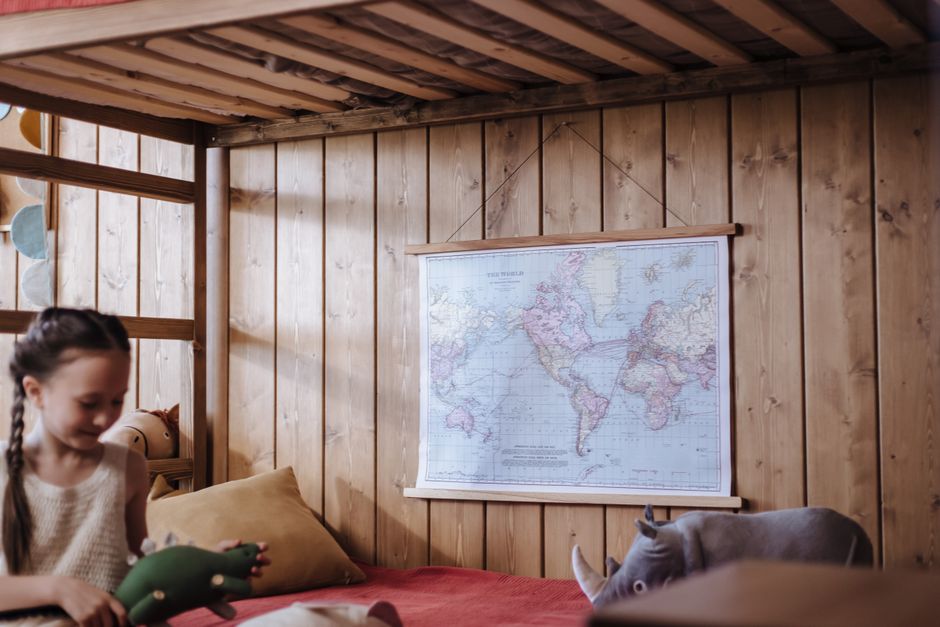
When it comes to furnishing a child’s space, parents often seek options that combine fun and functionality. A well-curated kids furniture store can make all the difference, offering pieces that not only look good but also serve practical purposes. In this article, we will explore the key elements to consider when setting up a kids furniture store, as well as tips for creating an engaging shopping experience for families.
Understanding the Needs of Children
Children’s furniture needs differ significantly from adult furniture. Kids require items that are proportionate to their size and that promote comfort and safety. Additionally, furniture should be durable enough to withstand the wear and tear that comes with everyday use. Understanding these basic needs is crucial for any kids furniture store aiming to provide quality products.
According to a recent survey, more than 60% of parents prioritize safety features when choosing furniture for their children. This emphasizes the importance of selecting materials that are non-toxic and designs that minimize sharp edges. Stores should highlight these features in their marketing strategies to appeal to concerned parents.
Furthermore, furniture that grows with the child is increasingly popular. For example, adjustable desks and beds that can accommodate different stages of growth are attractive options that parents often seek. Incorporating such multifunctional furniture into inventory can enhance the appeal of a kids furniture store.
Designing an Inviting Store Layout
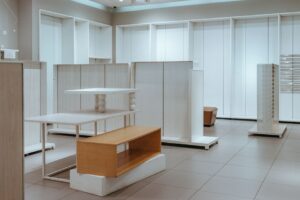
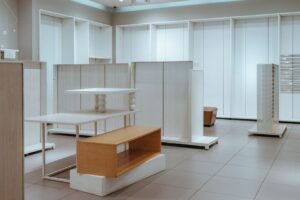
The layout of a kids furniture store plays a vital role in the overall shopping experience. An inviting, colorful environment that stimulates creativity can make a significant impact. Bright colors, fun displays, and interactive areas can engage children while allowing parents to explore products in a relaxed atmosphere.
Stores may consider creating themed sections, such as a ‘princess corner’ or a ‘space adventure area,’ to entice children and inspire imaginations. This strategy not only makes the shopping experience enjoyable but also encourages longer visits, which can lead to increased sales.
Additionally, incorporating play areas where children can test out furniture pieces can be a game changer. This hands-on approach allows kids to envision how the furniture will fit into their own rooms, making them more likely to convince their parents to make a purchase.
Leveraging Online Presence
In today’s digital age, having a robust online presence is essential for any retail business, including a kids furniture store. A well-designed website that showcases products with high-quality images and detailed descriptions can attract a wider audience. Online shopping offers convenience for busy parents and allows them to browse through collections at their leisure.
Moreover, utilizing social media platforms to share customer testimonials, styling tips, and promotional offers can effectively engage potential buyers. Visual platforms like Instagram and Pinterest are particularly useful for showcasing creative uses of furniture and inspiring parents with decorating ideas.
Incorporating an online store component can also help to reach customers who prefer shopping from home. A seamless transition between the online and physical store experience can enhance customer satisfaction and loyalty.
Promotional Strategies to Attract Families
Effective promotional strategies are crucial for driving traffic to a kids furniture store. Hosting events such as ‘family fun days’ or workshops on children’s room design can create buzz in the community. These events can provide parents with valuable information while giving children a fun experience.
Offering loyalty programs or discounts for repeat customers can also encourage families to return. For instance, a ‘buy more, save more’ promotion could appeal to parents looking to furnish multiple rooms or replace worn-out furniture.
Collaborating with local schools or parenting groups to provide exclusive offers can further enhance visibility and establish a strong reputation within the community.
Customer Service: A Key Differentiator
Exceptional customer service can set a kids furniture store apart from competitors. Staff should be trained to assist customers with a friendly attitude and provide knowledgeable advice on product selections. This level of service fosters trust and encourages customers to return for future purchases.
Additionally, offering flexible return policies and delivery options can enhance the overall shopping experience. Parents appreciate retailers that understand their unique challenges and provide solutions that cater to their needs.
Incorporating feedback mechanisms, such as surveys or comment cards, can help store owners understand customer preferences and improve service quality continuously.
Conclusion
Creating a successful kids furniture store requires a deep understanding of children’s needs, an engaging store layout, a strong online presence, effective promotional strategies, and exceptional customer service. By focusing on these key areas, store owners can create a shopping experience that resonates with families and fosters long-term loyalty. If you are looking to explore a wide range of options, consider visiting a reliable kids furniture store that prioritizes quality and creativity in children’s furnishings.