Navigating the Skies: Your Guide to Becoming a Certified Drone Pilot
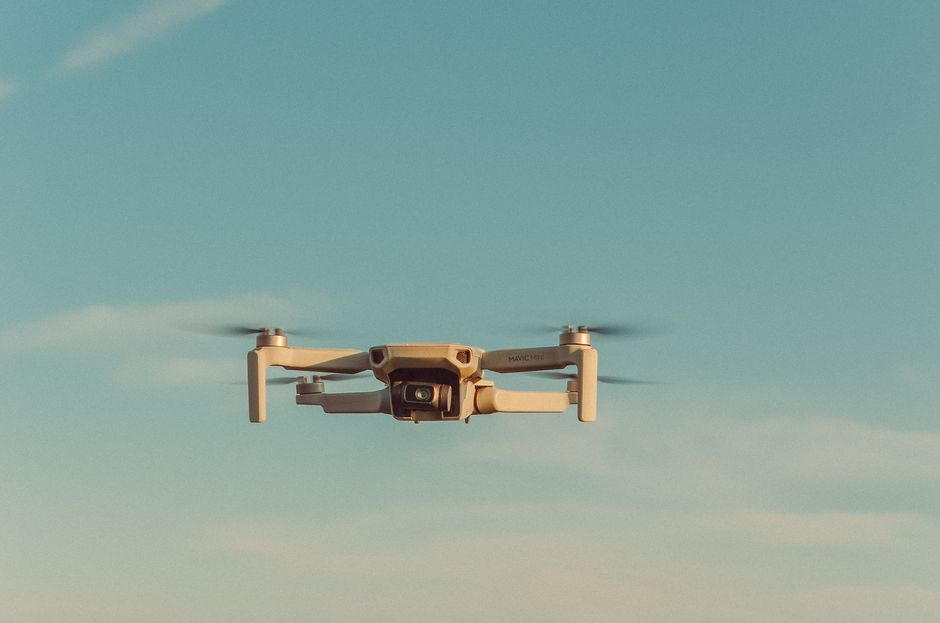
The rise of drone technology has transformed various industries, from agriculture to cinematography. As more individuals and businesses seek to utilize drones for their unique capabilities, the importance of obtaining a proper certification has never been clearer. This guide will walk you through the essential steps and considerations for becoming a certified drone pilot, ensuring you understand the landscape of regulations, training, and skills necessary for success.
Understanding Drone Pilot Certification
Drone pilot certification is a formal recognition that an individual has met the necessary requirements to safely operate a drone for commercial purposes. In many countries, including the United States, this certification is mandated by national aviation authorities to ensure safety and compliance with airspace regulations. For aspiring drone pilots, understanding the certification process is critical for both legal operation and building a credible career.
The certification process typically involves passing a written exam that tests knowledge of airspace regulations, weather, and drone operations. Many applicants also benefit from practical training courses that cover flight maneuvers and safety protocols. This dual approach helps ensure that pilots are not only knowledgeable but also skilled in handling drones under various conditions.
Benefits of Certification
Obtaining a drone pilot certification offers numerous advantages. Firstly, it enhances your employability in a competitive job market. Employers often prefer or even require certified pilots, particularly in industries such as construction, real estate, and aerial photography. Certification signifies a level of professionalism and commitment to safety, making you a more attractive candidate.
Additionally, certification may open up opportunities for higher-paying jobs. According to a report by the Association for Unmanned Vehicle Systems International, certified drone pilots can earn upwards of $60,000 annually, depending on their specialization and experience. This financial incentive, coupled with job security in a growing field, underscores the value of pursuing a certification.
Steps to Obtain Your Certification
The journey to becoming a certified drone pilot involves several key steps. First, you should familiarize yourself with the requirements set forth by your local aviation authority. For instance, in the United States, the Federal Aviation Administration (FAA) governs the certification process for drone pilots, requiring applicants to pass the Part 107 exam.
Next, consider investing time in a training program. Many organizations offer comprehensive courses designed to prepare you for the certification exam. These programs often include both theoretical and practical components, ensuring you gain the necessary skills to operate a drone safely and effectively.
Once you feel prepared, register for the certification exam. Many authorities offer online testing options for convenience. After passing the exam, you may need to complete additional steps, such as registering your drone and obtaining any necessary permits for commercial operations.
Common Challenges and Solutions
Another common challenge is the financial investment required for training and certification. To mitigate this, consider researching scholarship opportunities or grants offered by aviation organizations. Additionally, many training programs offer flexible payment plans to make the costs more manageable.
Lastly, staying updated on regulatory changes is crucial, as drone laws are continually evolving. Regularly visiting official aviation websites or subscribing to industry newsletters can help you stay informed about any new requirements or best practices.
Future of Drone Pilot Certification
The future of drone pilot certification is likely to evolve alongside technological advancements. As drones become more sophisticated, new certification categories may emerge, tailored to specific industries or applications. For instance, pilots may need specialized training for operating delivery drones or drones equipped with advanced sensors.
Moreover, as the demand for drone services grows, certification could become even more critical. Governments may implement stricter regulations to ensure public safety, making it essential for pilots to stay compliant with updated certifications.
As the industry matures, networking and continuing education will also play vital roles in a certified drone pilot’s career. Engaging in ongoing training and professional development will not only enhance your skills but also keep you competitive in a rapidly changing job market.
Conclusion
Becoming a certified drone pilot is a worthwhile pursuit for those looking to enter this dynamic field. With the right training, knowledge of regulations, and a commitment to safety, you can effectively navigate the skies and unlock a world of opportunities. Whether you aim to work in photography, agriculture, or another industry, obtaining your drone pilot certification will set you on a path to success and innovation in the ever-expanding realm of drone technology.