The Vital Role of Aircraft Maintenance Companies in Aviation Safety
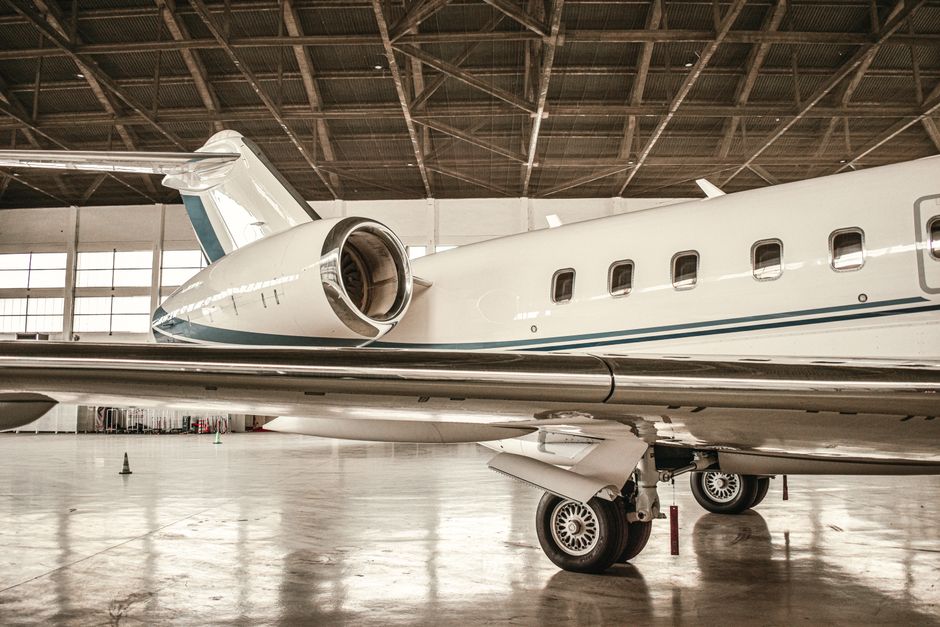
In the aviation industry, safety is paramount, and one of the key players in ensuring that safety is upheld is the aircraft maintenance company. These specialized organizations are responsible for inspecting, repairing, and maintaining aircraft to meet regulatory standards and operational requirements. The importance of aircraft maintenance cannot be overstated, as it directly impacts flight safety, operational efficiency, and the longevity of the aircraft.
The Importance of Regular Aircraft Maintenance
Regular maintenance of aircraft is not just a regulatory requirement; it is essential for ensuring the safety of passengers and crew. Aircraft are complex machines that operate under extreme conditions, and without routine checks and repairs, they can quickly become unsafe. According to the FAA, more than 20% of aviation accidents are attributed to maintenance issues. Thus, the role of an aircraft maintenance company becomes crucial in mitigating these risks.
Routine maintenance checks include pre-flight inspections, periodic checks, and major overhauls. Each of these checks is designed to catch potential issues before they lead to catastrophic failures. For instance, the pre-flight inspection can help identify issues such as fuel leaks or tire wear, which can be addressed before the aircraft takes off.
Furthermore, regular maintenance helps to extend the lifespan of the aircraft. Aircraft components, from engines to landing gear, wear out over time. By adhering to a strict maintenance schedule, airlines can avoid costly replacements and ensure their fleet remains in service for longer periods.
Types of Maintenance Services Offered
Aircraft maintenance companies offer a range of services tailored to the needs of different aircraft types. These services can be broadly categorized into three main types: line maintenance, base maintenance, and heavy maintenance.
Line maintenance refers to routine checks that are performed on the aircraft while it is still in service. This includes quick inspections, minor repairs, and servicing that can be completed in a short time frame. Base maintenance, on the other hand, involves more extensive repairs and inspections that require the aircraft to be taken out of service for a longer period. Heavy maintenance is the most comprehensive form of maintenance and typically occurs every few years, involving a complete teardown and inspection of the aircraft.
Each type of maintenance is critical to ensuring that the aircraft remains airworthy and compliant with aviation regulations. Airlines often work closely with their maintenance providers to schedule these services during downtimes to minimize disruptions.
The Regulatory Environment
The aviation industry is highly regulated, and aircraft maintenance companies must adhere to strict guidelines set by aviation authorities. In the United States, the Federal Aviation Administration (FAA) oversees maintenance practices, while other countries have their own regulatory bodies, such as the European Union Aviation Safety Agency (EASA).
These regulations cover everything from the qualifications of maintenance personnel to the procedures that must be followed during inspections and repairs. Compliance with these regulations is vital, as failure to adhere can result in serious consequences, including fines and grounding of aircraft.
Moreover, aircraft maintenance companies often undergo regular audits and inspections to ensure they are meeting these standards. This not only helps maintain safety but also builds trust with airlines and regulatory bodies.
Choosing the Right Aircraft Maintenance Company
For airlines, selecting the right aircraft maintenance company is a critical decision that can impact operational efficiency and safety. Factors to consider include the company’s experience, certifications, and reputation within the industry.
Experience is crucial, as maintenance practices can vary significantly between different aircraft types. A company that specializes in a particular type of aircraft may be better equipped to handle its unique maintenance needs. Certifications from recognized aviation authorities also indicate that the company meets industry standards.
Additionally, airlines should look for maintenance providers with a strong track record of safety and reliability. Customer reviews and industry awards can provide insight into a company’s reputation and the quality of its services.
The Future of Aircraft Maintenance
As technology continues to advance, the future of aircraft maintenance is likely to change significantly. Innovations such as predictive maintenance, which utilizes data analytics to foresee potential issues before they occur, are becoming more common. This approach allows maintenance companies to proactively address problems, reducing downtime and costs.
Furthermore, the rise of electric and hybrid aircraft introduces new challenges and maintenance needs that will require specialized knowledge and skills. Aircraft maintenance companies must adapt to these changes, ensuring they are equipped to handle the evolving landscape of aviation.
In conclusion, aircraft maintenance companies play a critical role in the aviation industry, ensuring safety and operational efficiency. By adhering to rigorous maintenance schedules and regulations, these companies help to keep the skies safe for travelers around the world.
Conclusion
In summary, the importance of aircraft maintenance cannot be overlooked in the pursuit of aviation safety. Regular maintenance, a thorough understanding of regulatory requirements, and a commitment to quality service are essential for any aircraft maintenance company. As the industry evolves, these companies must continue to innovate and adapt to ensure they meet the demands of modern aviation.