The Art and Science of Sheet Metal Fabrication
Sheet metal fabrication is a crucial process in various industries, from automotive to aerospace. This method involves the transformation of flat sheets of metal into various shapes and forms, making it essential for creating a wide range of products. Understanding the intricacies of this process can provide businesses with a competitive edge and enhance product quality.
What is Sheet Metal Fabrication?
Sheet metal fabrication refers to the process of turning flat sheets of metal into functional and complex structures. This includes cutting, bending, and assembling different metal components. The versatility of sheet metal allows for a wide array of applications, from building frames to intricate parts used in machinery.
In essence, the process begins with a flat sheet of metal, which can be made from materials such as aluminum, steel, or copper. These materials are selected based on their properties, such as strength, weight, and corrosion resistance. After the right material is chosen, the fabrication process can commence, typically involving processes like laser cutting, punching, and forming.
The Importance of Precision
Precision is paramount in sheet metal fabrication. The accuracy of measurements and cuts significantly affects the final product’s quality and functionality. For instance, a minor miscalculation in dimensions can lead to parts not fitting together correctly, causing delays in production and increased costs.
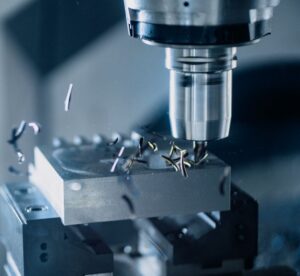
Advanced technologies, such as computer numerical control (CNC) machines, have revolutionized the industry by providing high levels of accuracy. These machines can execute complex designs with minimal human intervention, ensuring that the products meet the precise specifications required by clients. Moreover, utilizing software for design and simulation can help identify potential issues before the physical fabrication begins.
Common Techniques in Sheet Metal Fabrication
There are several techniques employed in sheet metal fabrication, each serving different purposes and applications. Some of the most common techniques include:
- Laser Cutting: This method uses a high-powered laser to cut through metal sheets with remarkable precision. It is ideal for intricate designs and can handle various thicknesses.
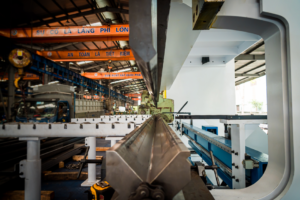
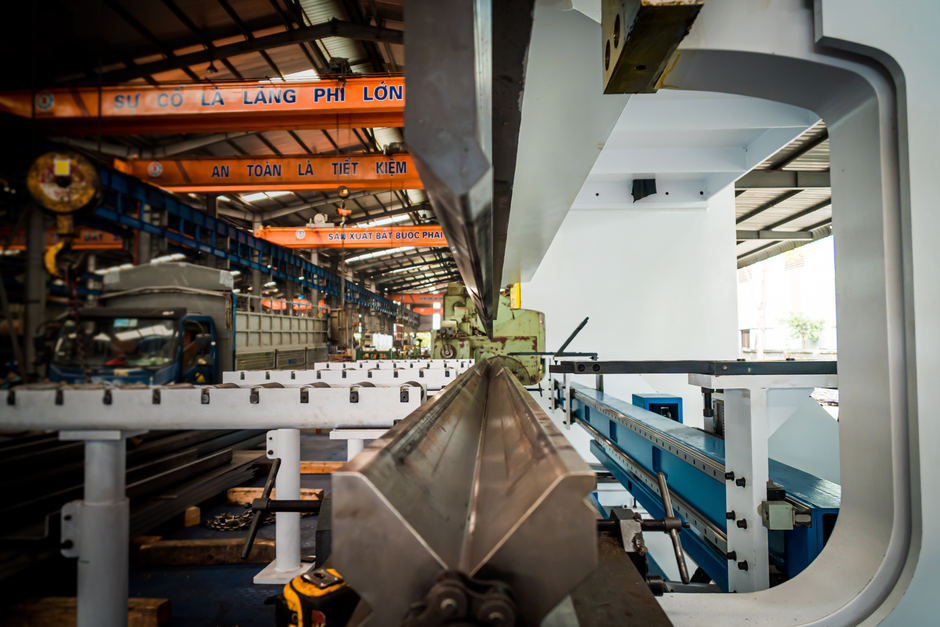
- Bending: This process involves deforming the metal sheet along a straight line to create angles and shapes. Bending can be performed using various tools, including press brakes.
- Welding: After fabrication, components often need to be joined. Welding is the process of melting and fusing metal pieces together, ensuring a strong bond.
Each of these techniques plays a vital role in achieving the desired outcome in sheet metal fabrication. For businesses, selecting the right combination of methods can lead to improved efficiency and reduced production costs.
Applications of Sheet Metal Fabrication
The applications of sheet metal fabrication are diverse and extensive. Industries such as automotive, aerospace, and construction heavily rely on this process for various components. For example, in the automotive industry, sheet metal is used to manufacture body panels and chassis components, which require both durability and lightweight characteristics.
Additionally, the aerospace industry utilizes sheet metal fabrication for creating parts that need to withstand extreme conditions while maintaining structural integrity. Components such as aircraft skins and wing structures are often fabricated using advanced techniques to ensure safety and functionality.
Moreover, in construction, sheet metal is used for roofing, siding, and ductwork. The ability to customize shapes and sizes makes it a preferred choice for many architects and builders.
Future Trends in Sheet Metal Fabrication
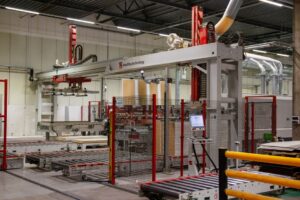
The sheet metal fabrication industry is continually evolving, with technological advancements driving changes in how fabrication is performed. One significant trend is the increased use of automation and robotics, which enhances productivity and reduces labor costs.
Moreover, sustainable practices are becoming more prevalent, with companies looking for ways to minimize waste and energy consumption during the fabrication process. Innovations in materials, such as lightweight and high-strength alloys, are also emerging, allowing for more efficient designs.
Furthermore, the integration of digital technologies, such as 3D printing and IoT (Internet of Things), is reshaping the industry by providing new ways to design, monitor, and optimize production processes. As these trends continue to develop, businesses that adopt these technologies will likely maintain a competitive advantage in the market.
Conclusion
Sheet metal fabrication is an essential process that combines art and science to create functional products across various industries. By understanding the techniques, importance of precision, and future trends, businesses can enhance their operations and product quality. As technology continues to advance, staying updated on the latest developments in sheet metal fabrication will be crucial for maintaining a competitive edge in the market. For more detailed insights on the subject, you can visit sheet metal fabrication.